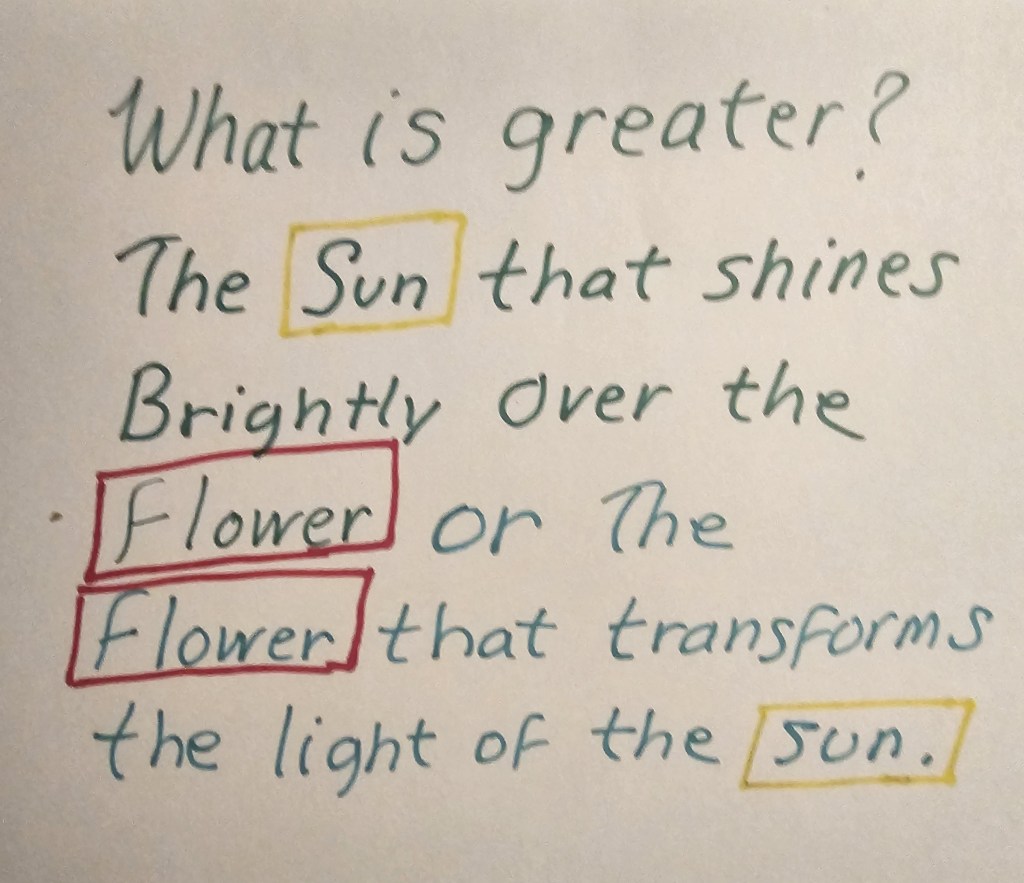
Some people love to speak in superlatives, while others may understate things. Good may be “ok”, “adequate”, “likable”. Great might be “best ever”, “fantastic”, “love”. Right now Great seems to leading the conversation (Make America…) so I’d like to examine these words, what they mean in general and from my worldview. It is used in persuasive speech because it can people feel…great. We know how much politicians, leaders, and people of influence love to persuade.
The words we use, and how we perceive words in important. This is noticeable in politics and culture, and daily communications. Words are thrown around casually and become so much noise. But they can also be used with great purpose, too often with ill intent. For example love. For that matter narcissism gets used a lot, possibly in relation to Make America Great Again. [My main profession is as a therapist so I know a little something about what the word means according to the DSM and also the fact that someone with that disorder is highly unlikely to come in for therapy].
A quick web search has “Good” coming up as morally right, virtuous; beneficial or advantageous; skillful; well behaved, appropriate, pleasant. “Great” is defined as in extent, amount, intensity or ability, quality or eminence above normal or average; important or distinquished; excellent. Good may seem to stand more in the background, great seems large. Good may seemingly have good boundaries, great pushes the boundaries.
From an emotional standpoint, as a general impression, good feels steady, kind, humble; great seems bigger than life, flashy, and too often self centered. (Which is why its probably better for others to be the judge of that, and not assign it to yourself, is build a monument to self, or suggest self for an award or extra additon to Mt. Rushmore). For those that seek validation, being good may feel more like a chore. Great may take some talent and lots of work, but it has a quality of loud big bursts, like a fireworks show. Good does not need an audience, but great is able to attract and sometimes thrives on an audience. But not always. Some greatness is not recogonized in a person’s lifetime, and then for the wrong reason. Greatness too often looms over goodness, a bright light shadowing goodness.
Both of these qualities may be masks to hide less desirous traits. Being seen as good may be performative, and perhaps hide bad behavior or agendas. I don’t think I need to list all the examples, for example hiding behind titles that seem virtous. On the other hand qualities of greatness such as charisma may allow for nefarious behavior. Greatness is often seen as an outcome of great dedication and talent (example “sport heroes” but more quiet good can equally require dedication and talent. Perhaps motivation and intent is a key part of this.
Unfortunately the steady substainment of being good does not work well in certain areanas. Greatness seems to be naturally persuasive for some audiences, as if there is reflected glory. Greatness may feel inspiring, so the public is moved emotionally, goodness may be dismissed as too much work or boring. In fact sometimes I have the impression that greatness is more trusted than goodness. It often gets a better write up. There is certainly a cutural aspect to this, such as emphasis on harmony in collectivist cultures, and striving in individualistic cultures. On the other hand seeking harmony does mean you don’t work hard, in fact harmony requires discipline.
It is indeed tempting to want to look to heroes.. People often confuse loudness, a masculine sterotype, with greatness. If someone across as confident, then what they say must be true. Think of the loudness of the Wizard of Oz, to intimidate and persuade. While quietness may be perceived as weakness and softness, supposedly feminine quality perhaps inviting derision. The Ten Commandments are direct and commanding, the Beatitudes are more complicated and entreating. However, in many instances, what truly great and good people can have in common is discipline, perspective, and integrity.
People gravitate toward emotional appeals instead of reason. It is hard to get away from our ideal of greatness as it denotes courage and sacrifice along the path to what is sought. We are too often attracted to this aspect of greatness as a moth to flame, as it seems to reflect on ourselves. I mean who can argue with courage and sacrifice? Our stories, include religious and historic stories, reflect this. Going on a quest or a mission is a theme in many narratives. There is romance in the idea of the Great Quest.
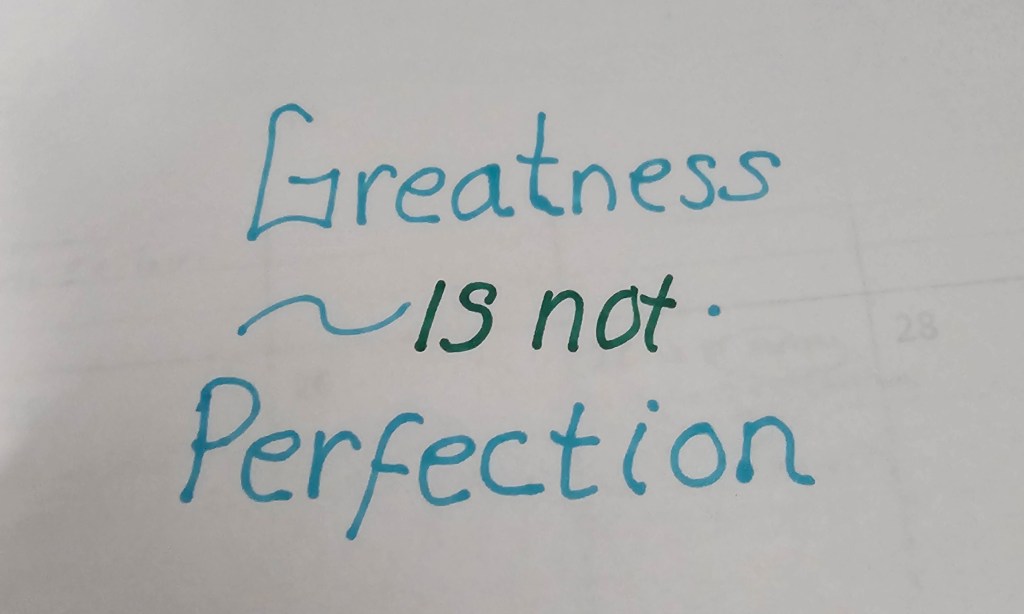
The aura of greatness often leads to putting people on a pedestal, at least for a while. Apparently, George Washington tried to resist this tendency of putting people / things on a pedestal. Once you are on a pedestal, or put all your eggs in one basket of wanting greatness, this heightened need for greatness risks being rigid, uncreative, quanity over quality, and shallow. The greatness idea can lead to handing over power to one person (because they are great, or promise greatness). It is a potent idea, it can feel good emotionally. It can cover a lot of sins. It can also eventally lead to rebellion.
There are also stories that exemplify the difference between great (in its worse meaning) and goodness. For example the film Its A Wonderful Life. George, like many of us in youth, wanted to seek a great life. A great life seems to be about expansiveness, ambition and potential, and perhaps innovation and making a difference on a large scale. It is exciting! Which can be pretty tantilizing, like a personal Manifest Destiny. Eventually he learned the lesson of having gratitude toward having a good life, which may convey virtues of genorosity, friendship, community and a different sort of satisfaction. It might be said that being good is its own form of greatness, since it can make a big difference. Being a good person can lead to a great life, and in some cases being good can lead to being remembered as being great.
I am not saying great things cannot be envisioned. As a country, we have done those things (although there are always costs along the way). The Hoover Dam is an example of a project that was monumental in both ambition and product, with a complicated mix of benefits and harms. But while we may view our countries beginnings through the mythology of greatness (leading to blindness toward harms) for the most part settlers and the people already here were most likely content to go for what is good, or good enough, or just survivial. Envisioning greatness can also quite idealistic and even naive. But the things you do as a nation or individual should be grounded in values, not merely aiming to do something great. If a person went around saying how great they were (as many insist in describing the USA) how is that received?
s nothing new about nations wanting to focus on greatness, at least in the hands of those with power and influence. But even looking back at Roman history, Marcus Auerilus, in his Meditations, seemed to value goodness over greatness. He understood that chasing after greatness can be hubristic and illusionary. And then there is the dogmatic narrow idea of goodness explemplied by the Puritan Separaist sect, which led to judgement, pride and rigid cruelty with a strong steak of prosperity gospel. So greatness can arise out of good ethics, and goodness can be cruel, it depends on reasons, motivations and underlying values. America continues to be influenced by both enlightened perspectives with roots in classical philosophy and different strains of religious values.

Appeals to greatness, such Make America Great Again, is problematic because it is unteathered from attributes of goodness, instead it appeals to pride and a flavor of narcissism, not to mention a biased and filtered view of history. It is not at all nuanced, brushing aside criticism, although criticism is usually necessary for improvement. It certainly does not allow for the reality that none of us can return to the past, because life is an ever flowing forward motion machine. On top of that, in our individualist culure, you still need a group of followers, because you cant be a savior without followers. No matter how individulistic lives are, cooperation, collaboration and compromise is required to prevent collapse. All of this rooted in how our nation was founded. Was it about freedom and belief systems or power and money? Likely both. It also ignores the inherent divisions in the colonies which evolved into eventual unity that papered over differences through compromise. Apparently unity means no differences to some, which is absurdey not true. Cultural ecosystems requires collaboration as nature shows, with diversity and connection . To me, greatness means acknowledging your faults and frailities, and striving to do better.
It comes down to the meaning of things, what is truly valuable. We seem confused too. Expertise and great ambition – there seems to be a lot of ambivlance toward these qualities. On an individual level the the talents and interests that lead to great and even admirable accomplishments can be transformed, perhaps unknowlingly, to avarice, entitlement, and selfishness. On both a cutural, country wide level and individual level pride can mask feelings of lesser than, thus constantly in competition. Our individuaistic, capitalistic culture encourages this. Constant turmoil feels chaotic, and in these conditions it is difficult to be truly great (in its best aspect) and trying to maintain goodness feels like an uphill battle. The masking of low self esteem through entitled, manipulative actions that may appeal to others desire for feeling good or great is a simple definition of narcissm. But the costs are high on a national level, and harm is done. The consequences are loss of trust replaced by defensiveness and cynicism.
Being good can be a great feeling. Having a great day feels really good. Overcoming hardship without becoming cynical is a worthwhile achievement. I dont know what our “founders” would have thought of this present moment in America. Be wary of over romantizing the past, present or future. They would recognize the turmoil, and even the chaos (because of course!). I am sure feelings were hurt, and pride pops up, but without compromise, especially hard to swallow compromise is required until the next opportunity. Do or die may feel great in the moment (thats why Les Miserables is so moving). You can fly high, being grounded is important too.
I wish you good days, and great feelings.
 easydoesitlife